

What you’ll learn:
- Both tirzepatide and retatrutide work by mimicking hunger and metabolism hormones, with tirzepatide targeting two pathways and retatrutide targeting three.
- In studies, tirzepatide and retatrutide both showed significant weight loss, with retatrutide demonstrating higher efficacy.
- Tirzepatide can be prescribed today, while retatrutide, though very promising, is still in clinical trials and not yet approved.
Weight loss medication has moved fast over the past few years, and there’s always something new in development. We recently saw the launch of two GLP-1 pills for weight loss: the Wegovy® pill and Foundayo®. But we are also seeing other injectable medications in testing that might be more powerful than what’s already on the market.
Retatrutide is getting headlines for phase 3 test results that show it might be more effective than our current most effective weight loss medication: Zepbound®, which is made with tirzepatide.
What makes retatrutide different? It’s Eli Lilly’s next-generation, once-weekly triple-agonist drug candidate, and early results have been strong enough to raise a real question: Could it outperform tirzepatide in a meaningful way? So far, the answer looks potentially yes on weight loss alone.
But there’s an important catch: retatrutide is still investigational.
Beyond efficacy, there are practical differences too. Tirzepatide can already be prescribed for weight loss. Retatrutide isn’t available outside clinical trials.
That matters just as much as the trial averages, because for most people, the best medication is not just the one with the highest theoretical ceiling. It is the one you can actually access, tolerate, and stay on long enough to benefit from.
What is retatrutide and where is it in testing?
Retatrutide is an investigational weight-loss medication. It’s called a “triple agonist” because it works on three pathways at once—GLP-1, GIP, and glucagon—instead of just one or two. More targets, in theory, means it can turn down appetite and turn up energy burn at the same time.
It’s still in phase 3 trials. No FDA approval yet. In the first phase 3 trial, people on the 12 mg dose lost around 24% of their body weight—roughly 60 pounds—over 68 weeks, counting everyone who started the trial, not just the people who stuck with it perfectly. (You’ll also see a bigger number, 28.7%, out there. That one refers to people who stayed on treatment the whole way through.)
The bigger picture: Retatrutide is part of Lilly’s TRIUMPH program, which has over 5,800 people enrolled and is testing it for weight loss, type 2 diabetes, and sleep apnea. Seven more results are expected before the end of 2026.
If those keep landing well, Lilly is on track to file for FDA approval by late 2026 or early 2027, with a decision likely several months after.
For a deeper dive, see our full breakdown here.
Retatrutide vs. tirzepatide: How do they work?
These medications both target hormone signals that lower appetite, slow digestion, and regulate blood sugar. Here are the differences:
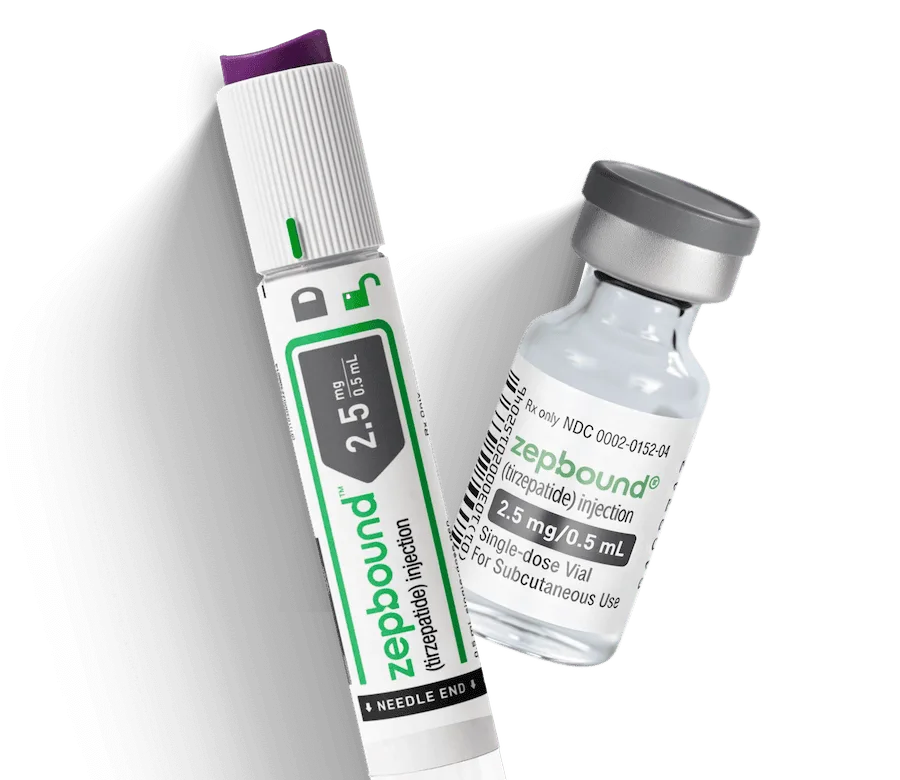
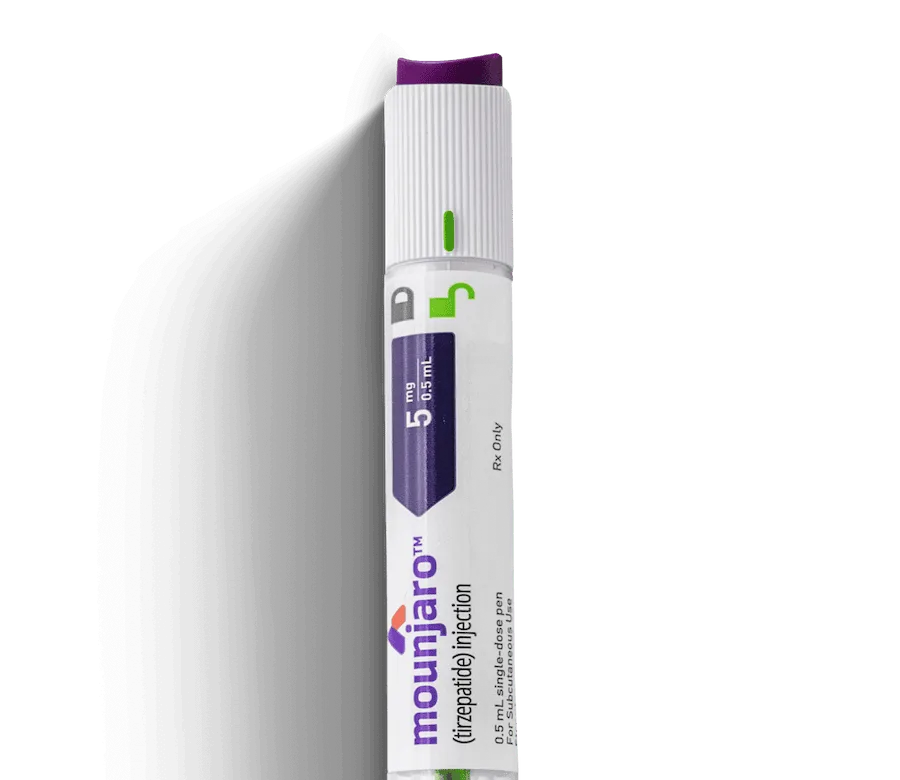
- Tirzepatide works by activating two key pathways: GLP-1 and GIP. This dual-action approach is a big reason tirzepatide has stood out among current weight loss medications. There are two tirzepatide brand-name medications:
- Zepbound®: Approved for weight loss and obstructive sleep apnea (OSA)
- Mounjaro®: Approved for diabetes management, but often prescribed off-label for weight loss.
- Retatrutide also targets GLP-1 and GIP, but adds a third pathway: glucagon. This is the key difference. While GLP-1 and GIP primarily influence appetite and blood sugar, glucagon plays a role in how the body uses stored energy, including fat.
By activating all three pathways, retatrutide is designed to not only help you eat less, but also potentially increase how much energy your body burns. That added mechanism is what positions it as a “next step”—not just another option, but an evolution of the same science that may help explain the stronger results seen in early clinical trials.
Retatrutide vs. tirzepatide: What are the similarities?
At a glance, one may seem like the current standard and the other like a future replacement. But they still have a lot in common, which is why the comparison is useful in the first place.
- They share a manufacturer: Both are made by Eli Lilly.
- Both are meant to be used alongside lifestyle changes: They aren’t quick fixes or short reset-style treatments. They’re designed to be used over time, alongside nutrition, behavior change, and ongoing medical supervision.
- Both are once-weekly injections.
- Both are designed to be started low and increased as needed: They use a gradual dose-increase schedule to improve tolerability and reduce side effects.
Retatrutide vs. tirzepatide: What are the differences?
The differences between these two seem minor, but they affect how much weight loss people may see, how much confidence providers can have in long-term safety, and whether the medication is even an option right now.
Access GLP-1 Weight Loss with Noom
Explore a wide range of prescription medications supported by Noom’s program.Microdose GLP-1rx
Noom GLP-1rx
Noom GLP-1rx Plus
Wegovy®
Ozempic®
Metformin
Zepbound®
Mounjaro®
Liraglutide
- Retatrutide targets a third receptor. Tirzepatide works by activating two hormone signals that control hunger and blood sugar. Retatrutide does the same, but adds a third signal—one that also influences how your body burns stored fat. Flipping that extra switch is what may be driving the stronger weight loss results seen in early trials.
- Retatrutide has been associated with greater weight loss. Retatrutide showed an average of about 24% weight loss at 68 weeks, versus an average of 21% with tirzepatide. That’s a meaningful gap—but these weren’t head-to-head studies in the same population under the same conditions, so the comparison is suggestive, not definitive.
- Side effects are similar, but retatrutide saw higher rates of dysesthesia: Most side effects—nausea, vomiting, diarrhea—look familiar and are common to this class of medication. The one that stands out is dysesthesia, an abnormal skin sensation that can feel like tingling, numbness, or a burning feeling. It’s not a side effect seen with tirzepatide, and while it wasn’t common in trials, it’s worth knowing about. For a full breakdown, see our guide to retatrutide side effects.
One other important difference: Only one of them can be prescribed now.
Tirzepatide has completed the approval process and real-world use behind it. Retatrutide is still in the evidence-building phases, so there are still unanswered questions that matter when you move from “trial result” to “actual treatment option.”
Retatrutide vs. tirzepatide: Exploring weight loss potential
Retatrutide is getting a lot of attention for its early results, but tirzepatide is still considered to be the GLP-1 medication associated with the most weight loss currently. Let’s take a look at what the studies show for each.
Retatrutide vs. tirzepatide: How much weight can you lose?
Looking at the numbers can give you a better sense of what to expect. These results come from different studies, so think of them as a helpful guide rather than a direct comparison.
Here’s what current studies show:
- People taking the highest dose of retatrutide (12 mg) in the latest phase 3 trial lost an average of about 24% of their body weight in about 68 weeks.
- People taking the highest approved dose of tirzepatide (15 mg) lost an average of 21% of their body weight over 72 weeks.
These numbers give a helpful starting point, but they don’t guarantee the same outcome for everyone. Some people lose more, and some lose less, with a lot depending on starting weight, lifestyle changes, and other factors.
Weight loss timeline: How long does it take to see results?
Tirzepatide gives us a clearer week-by-week picture. Retatrutide is still being studied, so we only have certain milestones from earlier phase 2 trials.
Here’s how things compare for average weight loss studies for retatrutide and tirzepatide:
Around 3 months:
- Retatrutide: Not reported
- Tirzepatide: 8%
Around 6 months:
1 year and beyond:
Looking at these timelines, you can see that progress doesn’t happen all at once. It builds gradually, with steady changes adding up over months.
Who can take retatrutide vs. tirzepatide for weight loss?
These medications are designed for people who meet certain health criteria, but only tirzepatide currently has FDA-approved guidelines, and those depend on the brand prescribed.
Zepbound® is prescribed to people with:
- A BMI of 30 or higher, or
- A BMI of 27 or higher with at least one weight-related condition, such as high blood pressure or high cholesterol
- It is also approved for obstructive sleep apnea (OSA)
Mounjaro is prescribed to:
- Adults with type 2 diabetes to help manage their blood sugar levels
- Some clinicians also prescribe it off-label for weight loss with the same or similar BMI ranges.
Retatrutide is still being researched and hasn’t been approved yet. Because of that, there are no eligibility rules. That said, trials are using the same BMI cutoffs and health criteria, which helps give a general idea of who retatrutide is being studied for.
Retatrutide vs. tirzepatide: How they are taken
Both retatrutide and tirzepatide are designed as once-weekly injections. Both also follow a gradual step-up schedule, meaning they will start at the lowest dose and increase over time to help people adjust and keep side effects manageable.
Here’s how they compare:
- Both Zepbound® and Mounjaro® start at 2.5 mg once weekly, then increase every 4 weeks or longer based on how your body responds. Approved doses are:
- 2.5 mg
- 5 mg
- 7.5 mg
- 10 mg
- 12.5 mg
- 15 mg weekly (maximum)
Read more: Tirzepatide dosage guide
- Retatrutide (still in trials): Also follows a weekly injection schedule with gradual increases. In studies, tested doses were:
- 1 mg
- 4 mg
- 8 mg
- 12 mg weekly (maximum)
While the exact dosing plan for retatrutide isn’t finalized yet, the overall pattern should feel familiar. Start low and adjust based on how your body responds.
Retatrutide vs. tirzepatide: Cost and insurance considerations
Cost is a big part of the decision for most people. Tirzepatide is already available, so we have a clear idea of pricing. Retatrutide, on the other hand, is still in clinical trials, so there’s no official price yet. That said, looking at the costs of tirzepatide can give a rough idea of what to expect.
Here’s what each of them currently costs:
| Medication | Retail price | Cost with insurance and Lilly Direct cash-pay |
|---|---|---|
| Zepbound® (weight loss and OSA) | $995–$1,087/month | With insurance coverage: As low as $25/month (with commercial insurance + savings card, if eligible) Paying cash: $299 to $449/month via Lilly Direct |
| Mounjaro® (diabetes and off-label weight loss) | $1,000–$1,112/month | With insurance coverage: As low as $25/month Paying cash: No Lilly Direct savings for weight loss |
Read more about tirzepatide costs:
- Zepbound® costs: With and without insurance coverage
- Mounjaro® costs: With and without insurance coverage
Does insurance cover retatrutide or tirzepatide?
Coverage for tirzepatide typically depends on the medication and reason it’s prescribed. It’s more commonly covered for type 2 diabetes as Mounjaro® and may be covered for OSA as Zepbound®, but weight loss coverage is still limited. If your plan covered it for weight loss, Zepbound® would be the medication covered. Medicare’s GLP-1 Bridge Program includes weight loss coverage for the Zepbound® Kwikpen, depending on eligibility.
For retatrutide, there’s no coverage yet since it’s not approved.
Retatrutide vs. tirzepatide: Side effects and safety
When it comes to side effects, tirzepatide has been widely studied and is already in use. Retatrutide is still in trials, but early data give us a good sense of what to expect.
Retatrutide vs. tirzepatide: Common side effects
Most side effects people experience with these medications are related to digestion. Since both change how your body processes food and signals fullness, it’s normal for things to feel a little different in the beginning as your body adjusts. These tend to show up when starting the medication or increasing the dose, and often become easier to manage over time.
With tirzepatide, common side effects include:
- Nausea
- Diarrhea
- Constipation
- Vomiting
- Stomach discomfort
With retatrutide, early clinical trials show a very similar pattern so far, including:
- Nausea (often the most reported)
- Diarrhea
- Constipation
- Vomiting
- Dysesthesia (an abnormal skin sensation, like tingling or numbness—not seen with tirzepatide)
Let’s take a look at how some of those most common side effects compare between tirzepatide and retatrutide. Keep in mind these are from separate and distinct trials, so they aren’t a direct comparison.
| Side effect | Tirzepatide (15 mg) | Retatrutide (12 mg) |
|---|---|---|
| Nausea | 31% | 43% |
| Diarrhea | 23% | 33% |
| Vomiting | 12% | 21% |
| Constipation | 12% | 25% |
| Dysesthesia | Not reported | 21% |
In these separate phase 3 trials, gastrointestinal side effects were reported more frequently with the highest dose of retatrutide than with tirzepatide. Nausea, diarrhea, vomiting, and constipation were all more common in the retatrutide trial, with the largest difference seen in constipation. Dysesthesia—an altered sensation that may feel like tingling, burning, numbness, or increased skin sensitivity—was also reported in about 21% of participants taking retatrutide but was not listed as a common side effect for tirzepatide.
Still, these numbers shouldn’t be treated as a head-to-head comparison. The trials used different groups of participants and different study designs, so only a trial directly comparing tirzepatide and retatrutide could determine whether one consistently causes more side effects than the other.
Serious side effects and warnings
For most people, serious side effects are uncommon with both medications. But this class of drug does carry some important warnings that are worth understanding before starting. For tirzepatide, these are established through FDA review and years of real-world use. For retatrutide, they reflect what has been reported in trials so far—the full picture won’t be known until the FDA review process is complete.
With tirzepatide, serious side effects to be aware of include:
- Pancreatitis: Seek medical attention immediately if you develop severe stomach pain that may spread to your back, especially if it’s accompanied by nausea or vomiting.
- Gallbladder problems: Symptoms include pain in your upper stomach, yellowing of skin or eyes, fever, or clay-colored stools.
- Thyroid tumor risk: Tirzepatide carries a black box warning based on rat studies showing dose-dependent thyroid C-cell tumor development. Whether this applies to humans hasn’t been determined. People with a personal or family history of medullary thyroid carcinoma (MTC) or Multiple Endocrine Neoplasia syndrome type 2 (MEN 2) should not take it.
- Kidney problems: Dehydration from vomiting or diarrhea can put stress on the kidneys. This is more likely in people with existing kidney conditions.
- Severe allergic reaction: Rare but possible. Signs include swelling of the face, lips, tongue, or throat, or difficulty breathing.
- Increased heart rate: A modest increase in resting heart rate has been reported, typically a few beats per minute.
With retatrutide, the full safety profile isn’t finalized yet, but here’s what phase 2 and phase 3 trial data have shown so far:
- Pancreatitis: Reported in about 0.4% of participants in phase 2 trials. Rare, but monitored closely given it’s a known risk across this drug class.
- Gallbladder problems: Reported in about 1.1% of participants. Rapid weight loss itself can raise gallstone risk, which may be a contributing factor.
- Thyroid tumor risk: People with a history of MTC or MEN 2 are excluded from current trials, suggesting similar precautions are likely if retatrutide is approved.
- Increased heart rate: A modest, dose-dependent increase was observed in trials, peaking around week 24 before declining.
- Severe allergic reaction: Hypersensitivity reactions were reported in 3–13% of retatrutide—most were mild, but serious reactions are possible with any injectable medication.
If approved, retatrutide is expected to carry similar class warnings to tirzepatide.
Read more: Retatrutide side effects | Tirzepatide side effects
Reviews from real Noom users
Desirea N. — Real Noom user

“My favorite parts of Noom are the care team and other Noomers. Sharing and getting help made me feel like I wasn’t doing it alone. That support made all the difference.”
Desirea N. — Real Noom user
Matthew M. — Real Noom user

“Noom has taught me that every day is a new chance to make better, healthier choices. It's taught me how to stop overeating.’’
Matthew M. — Real Noom user
Lila M. — Real Noom user

“Clinicians who understand how supportive medication can be is one of the best parts of Noom! I was convinced I wouldn’t have success but I’m down 11 pounds in two months.’’
Lila M. — Real Noom user
Steve M. — Real Noom user

“Noom provided me with the medication which I could not get through Medicare. I have learned the tricks to better eating and life in general.”
Steve M. – Real Noom user
Daisy R. — Real Noom user

‘’Noom has changed my life and I’m so thankful, I feel great, have more energy and am no longer prediabetic.”
Daisy R. – Real Noom user
Sarah R. — Real Noom user

“All of the Noom providers that I’ve met with have been exceptional and prescribed medications that are appropriate for my situation and health.”
Sarah R. – Real Noom user
Madison S. — Real Noom user

“Noom made the process so simple and now I feel full, free from diet obsession, and at ease in my body again.”
Madison S. – Real Noom user
Sonday K. — Real Noom user

“My doctor recommended Noom after I was frustrated trying to lose weight. The lessons helped change my relationship with food. My body feels lighter & energized.”
Sonday K. – Real Noom user
Cam K. — Real Noom user

“I built healthy habits with coaching and lessons that make me confident I can maintain my weight loss long term.”
Cam K. – Real Noom user
Laura TR. — Real Noom user

“With the right medication through Noom, hunger and sugar cravings finally quieted and I have the tools to break the cycle.”
Laura TR. – Real Noom user
Jessica S. — Real Noom user

“Cravings and food noise are gone, I finally feel confident in the healthy habits I’ve built to last with Noom.”
Jessica S. – Real Noom user
The bottom line: Retatrutide might lead to more weight loss than tirzepatide, but it’s still in testing
Both tirzepatide and retatrutide highlight how far weight-loss treatments have advanced today. Tirzepatide already delivers strong results, with people losing an average of 21% of their body weight. Retatrutide is pushing that even further in early research, with averages around 24%, but it’s still in the trial phase and not yet approved.
That makes the decision a bit simpler for now. Tirzepatide is the option you can actually access today, with a well-understood safety profile and dosing schedule. Retatrutide may expand what’s possible in the future, but there’s still more to learn before it reaches that point.
If you’re thinking about starting a medication, having guidance along the way can make a big difference. If you qualify, Noom Med connects you with licensed clinicians who can evaluate your needs and, when appropriate, prescribe treatment while helping you manage side effects, build realistic habits, and stay consistent with your progress.
Note: Retatrutide is still in clinical trials and not FDA-approved to treat obesity or for weight loss. Mounjaro is not approved for weight loss.
Editorial standards
At Noom, we’re committed to providing health information that’s grounded in reliable science and expert review. Our content is created with the support of qualified professionals and based on well-established research from trusted medical and scientific organizations. Learn more about the experts behind our content on our Health Expert Team page.