
What you’ll learn:
- Ozempic® is unlikely to cause hypoglycemia (low blood sugar) in people who don’t have diabetes.
- Combining Ozempic® with other diabetes medications can increase the risk of hypoglycemia.
- To lower the risk, eat regular meals, exercise mindfully, and work closely with your clinician.
Ozempic® has been an effective choice for managing type 2 diabetes since 2017—long before it made headlines for helping people lose weight off-label. That’s because Ozempic® is highly effective at controlling blood sugar levels.
However, when Ozempic® is combined with other diabetes medications, the possibility of hypoglycemia increases. Here’s why it’s something you need to be on the lookout for.
How Ozempic® affects blood sugar
Ozempic® (also known by its active ingredient, semaglutide) belongs to a class of drugs called GLP-1 receptor agonists. These meds work by mimicking a hormone in your body that helps control blood sugar, which is why many of them are FDA-approved to treat type 2 diabetes. It also slows down how quickly your stomach empties and reduces appetite, which can lead to weight loss.
Ozempic® is designed to lower blood sugar, but it’s smart about it—it only kicks in when your blood sugar is high. Because of this action, hypoglycemia is unlikely when Ozempic® is taken off-label for weight loss or without other diabetes medication. Ozempic® makes it more likely for other drugs that are known to cause hypoglycemia to actually make it happen. You should discuss all medications with your clinician before starting Ozempic®.
How does Ozempic® affect blood sugar levels in people without diabetes?
Ozempic® typically has a minimal impact on blood sugar levels in people without diabetes. It works in a glucose-dependent manner, meaning it’s less likely to cause hypoglycemia on its own. But Ozempic® can still gently nudge those levels down by encouraging your body to release more insulin.
Ozempic® and hypoglycemia risk
Ozempic® is generally safe to take, but there is a potential for hypoglycemia in people living with type 2 diabetes who also take other medications for diabetes.
What are common triggers of hypoglycemia when using Ozempic®?
A few things can increase your risk of hypoglycemia when taking a medication that contains semaglutide like Ozempic®—again, this is for people with diabetes:
- Taking other diabetes medications: Certain medications, like insulin and sulfonylureas, can also lower blood sugar. Combining them with Ozempic® can sometimes cause your levels to dip too low.
- Skipping meals: Skipping meals or going long stretches without eating can lead to drops in blood sugar.
- Increasing physical activity: Exercise is great for you but can also lower blood sugar levels. Adjust your food intake or medication if you’re planning a particularly active day.
- Drinking alcohol: Alcohol can interfere with your liver’s ability to regulate blood sugar, potentially leading to hypoglycemia, especially if you’re drinking on an empty stomach.
The key to managing these risks is to be prepared and consistent. Regular meals, mindful drinking, and open communication with your clinician about your medications and activity levels are vital.
Are certain groups more at risk of hypoglycemia with Ozempic®?
Ozempic® is generally safe, but some people might be more prone to hypoglycemia. People with diabetes who are older, have kidney or liver issues, or are taking multiple medications may have a higher risk of developing hypoglycemia. If any of this sounds like you, talk to your clinician about your risk to create a plan that’s just right for you.
Common questions about Ozempic® and hypoglycemia management
When managing the risk of hypoglycemia while taking Ozempic®, there are a few things you’ll want to consider. Here are some common questions about Ozempic® and hypoglycemia management:
Does the dose of Ozempic® affect the risk of low blood sugar?
Generally, lower doses of Ozempic® are less likely to cause hypoglycemia. The starting dose for Ozempic® is 0.25 mg once a week for the first month, and then it is increased to 0.5 mg as long as it is well tolerated. This slow and steady approach gives your body time to adjust, reducing the risk of any unwanted side effects.
How can Ozempic® dosages be adjusted to minimize hypoglycemia risks?
If you develop hypoglycemia, in most cases, your clinician will adjust your other medications, not Ozempic®.
Preventing low blood sugar while on Ozempic®
Staying ahead of low blood sugar when taking Ozempic® along with your other diabetes medications is all about smart choices and consistency. Here’s what you can do:
- Eat balanced meals regularly: Aim for balanced meals with a mix of protein, carbs, and healthy fats to keep your blood sugar stable. Noom’s updated food color system for those taking a GLP-1 medication can be a useful tool.
- Stay active, but listen to your body: Exercise is important, but it can lower blood sugar. If you’re planning a workout, be sure to adjust your meal timing or have a snack on hand. Discuss any changes to your exercise program with your clinician.
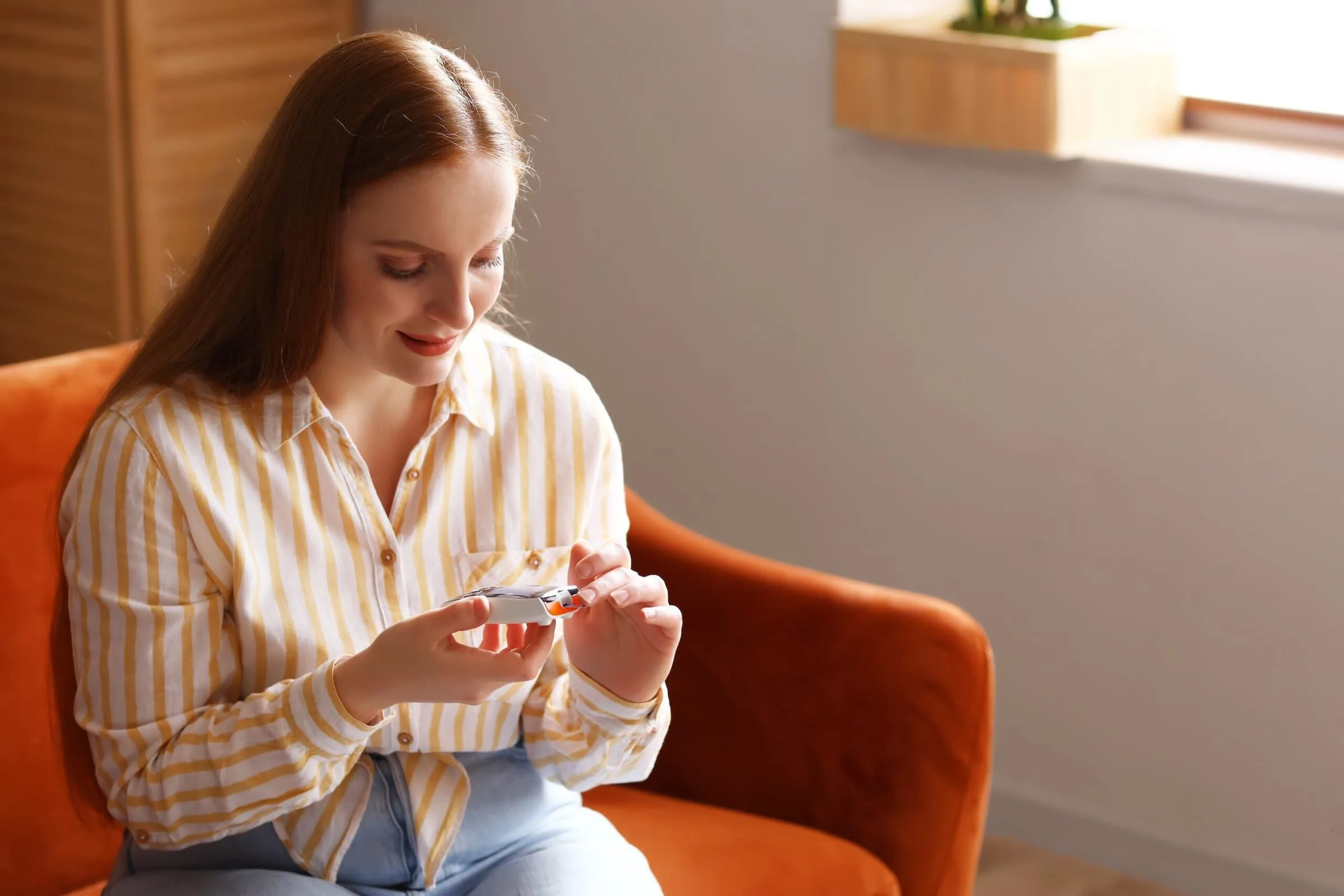
- Monitor your blood sugar: This is especially important when someone with diabetes starts Ozempic®, or changes their diet or activity level. Regular use of a glucose meter can help you spot any trends or potential problems early on.
- Be alert for the signs: Feeling shaky, sweaty, dizzy, or extra hungry? These could be signs of low blood sugar. If you notice these symptoms, have a quick-acting carb source (like juice or glucose tablets) on hand to bring your levels back up. Look out for:
- Feeling shaky or trembling, sweating, chills, dizziness, or lightheadedness
- Difficulty concentrating, confusion, irritability, or anxiety
- Extreme hunger
- Blurry vision or seeing spots
- Racing heartbeat or palpitations
Remember, everyone is different, and what works for one person might not work for another. It’s all about finding the right balance for you. Don’t hesitate to reach out to your healthcare team for personalized advice and guidance. They’re your partners in staying healthy and feeling your best as you continue to manage life with diabetes!
Managing Ozempic® treatment with support from Noom
Ozempic® treatment doesn’t have to be a solo experience. We understand how this medication affects your body, and making the most of it can feel overwhelming. That’s why we created Noom’s GLP-1 Companion and Noom Med programs. They’re designed to give you the personalized support and knowledge you need to succeed.
If you qualify for Noom Med, you’ll be paired with a clinician who will help you identify the right medication while also providing support and guidance. They’ll also help you coordinate insurance benefits or find an alternative medication that might work better for you.
If you’re already taking Ozempic® or another medication, Noom’s GLP-1 Companion provides extra guidance on overcoming common challenges while taking a GLP-1.
Whether you’ve been taking Ozempic® for a while or just starting out, we’ve got you covered. Our programs offer expert guidance on medication management, personalized meal plans, and blood sugar tracking (depending on the Noom version you use) while helping you understand and address potential side effects. By partnering with Noom, you’re not just taking medication—you’re taking control of your health with a supportive team by your side.
Note: Ozempic® is not FDA-approved to treat obesity or for weight loss.
Editorial standards
At Noom, we’re committed to providing health information that’s grounded in reliable science and expert review. Our content is created with the support of qualified professionals and based on well-established research from trusted medical and scientific organizations. Learn more about the experts behind our content on our Health Expert Team page.