
What you’ll learn:
- Protein coffee is coffee combined with a source of protein, ranging from powders and shakes to high-protein milk or ready-to-drink versions.
- Protein coffee can be made at home, ordered at coffee shops, or purchased as bottled, ready-to-drink options.
- It may help with fullness and be a smarter swap for sugary drinks, but whether it’s healthy depends on how it fits into your overall eating pattern.
If you already rely on coffee to start your day, choosing a brew with some extra protein can sound like a smart upgrade. That’s the idea behind protein coffee—sometimes called “proffee”—a trend that blends coffee and extra protein into one drink. It promises the best of both worlds: your caffeine boost plus a little staying power to help you feel full longer.
As more coffee lovers look for ways to upgrade their mornings, adding protein to coffee has quietly become the move. It’s showing up in social media “morning routine” videos, among busy people trying to multitask breakfast, and among those taking GLP-1 medications who want higher-protein options to help support muscle health.
It’s not just a niche wellness trend anymore. Major chains like Starbucks and Dunkin’ have taken notice, rolling out protein-enhanced drinks and creamers alongside their usual lattes and cold brews. What started with wellness influencers is now firmly in the mainstream.
But does protein coffee actually offer real health benefits, or is it just another wellness trend? Can it help you feel fuller, eat less, lose weight, or support muscle growth? We asked Dr. Karen Mann, MD, Noom’s Medical Director, to break down what’s hype, what’s helpful, and who might actually benefit.
What is protein coffee?
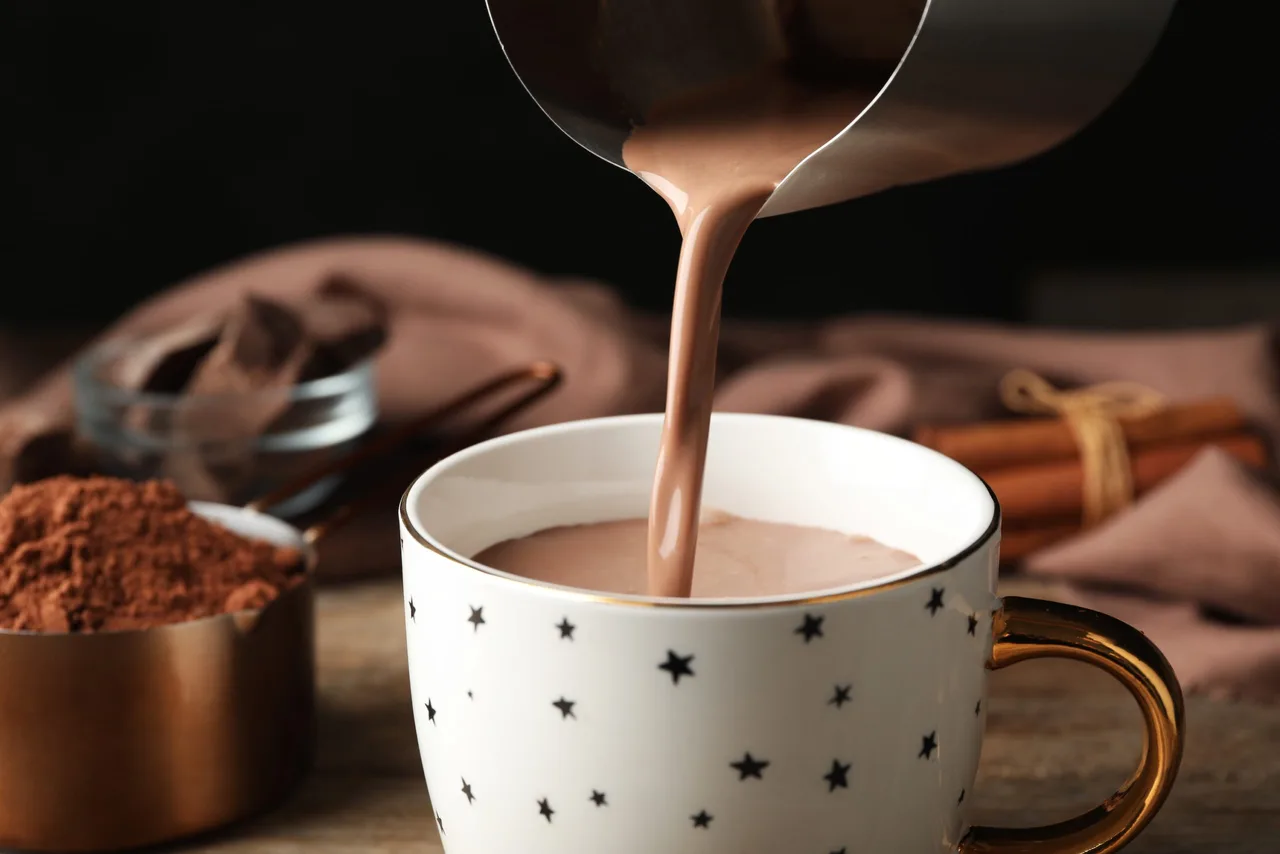
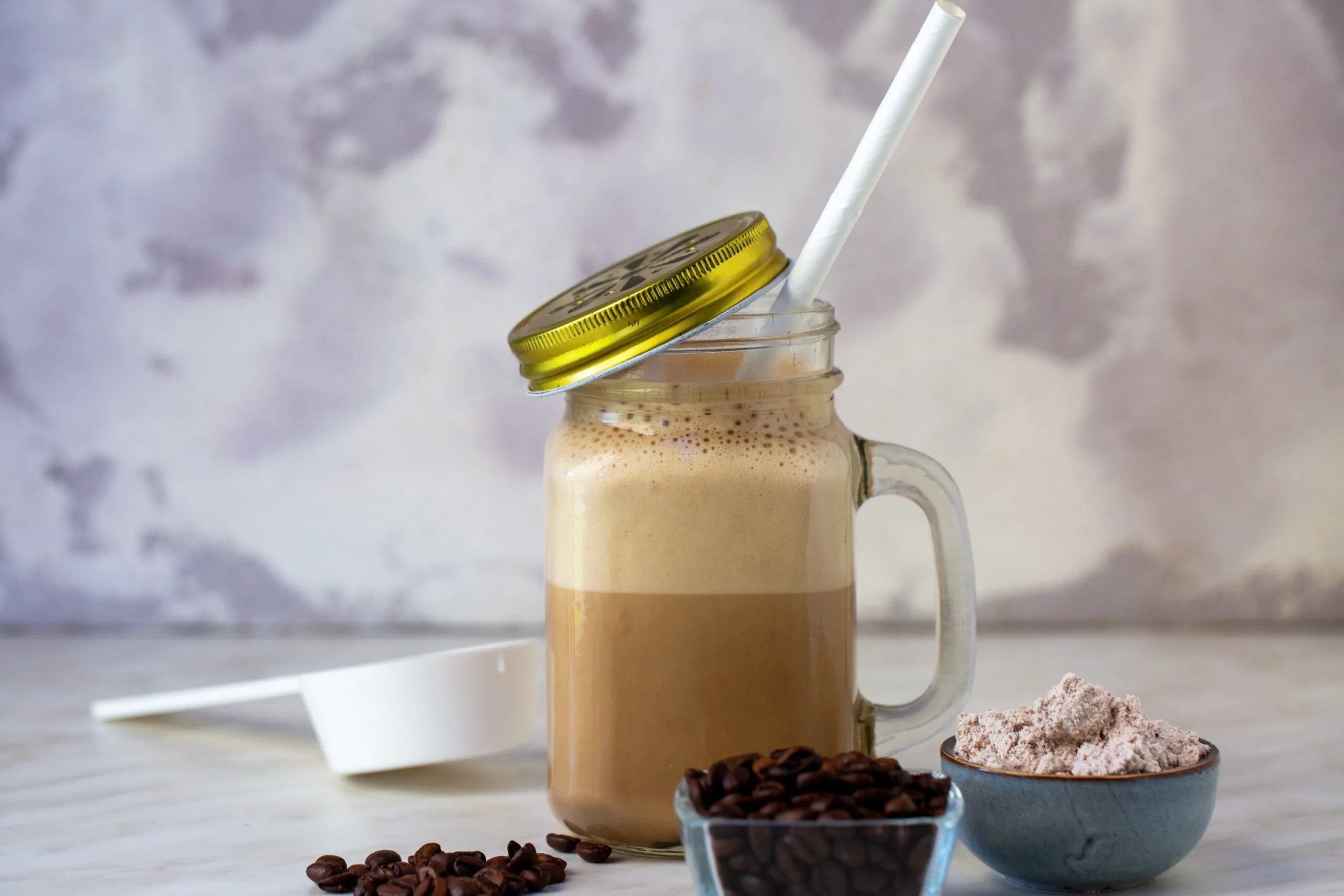
Protein coffee is coffee combined with a source of protein. The type of protein can vary depending on whether you’re ordering it out or making it at home.
At home, that might mean:
- Stirring a scoop of whey or plant-based protein powder into hot or iced coffee
- Blending in collagen peptides
- Using part (or all) of a ready-to-drink protein shake instead of creamer
- Swapping in high-protein milk or a protein-enhanced creamer
If you’re grabbing it on the go, you might see:
- Bottled “proffee” drinks in the refrigerated section
- Protein-added cold brews or lattes at major chains like Starbucks and Dunkin’
It can be hot or iced, sweetened or unsweetened, simple or dessert-like. And the nutrition varies widely—anywhere from about 10 grams of protein and under 100 calories to 30 grams of protein and 300+ calories—depending on what’s added.
There’s no single “best” version. The right choice depends on your goals, your taste preferences, and whether you’re trying to replace breakfast, boost protein intake, or just make your coffee a little more satisfying.
Why is protein coffee trending?
Protein coffee didn’t appear out of nowhere. It’s growing at the intersection of two things people already care about: coffee and protein.
Coffee alone has massive reach. According to the National Coffee Association, about 2 in 3 American adults drink coffee every day, and daily consumption is higher than soda, tea, and juice combined. In other words, coffee is already built into people’s routines. Adding protein doesn’t require a new habit — it just modifies an existing one.
At the same time, protein has become one of the most talked-about nutrients in weight management and fitness. Surveys show many adults are actively trying to increase their protein intake, especially earlier in the day.
Put those trends together, and protein coffee starts to make sense.
Here’s what’s driving it:
- Convenience – It combines caffeine and protein into one drink. For busy mornings, that efficiency matters. Instead of coffee plus breakfast, it becomes one step.
- The promise of energy and satiety in one cup – Caffeine supports alertness and performance. Protein is linked to fullness and can modestly reduce subsequent calorie intake. The combination feels productive.
- Weight-loss conversations (including GLP-1 medications) – As GLP-1 medications have become more common, conversations around preserving lean muscle during weight loss have increased. Higher protein intake is often emphasized in that context, and protein coffee is an easy entry point.
- Social media amplification – “Morning routine” videos, gym culture, and aesthetic iced coffee recipes travel fast. A drink that looks good, feels productive, and aligns with health goals checks multiple boxes.
Protein coffee isn’t trending because it’s revolutionary. It’s trending because it fits seamlessly into routines people already have—and layers in something they’re already trying to prioritize.
“Protein coffee appeals because it feels efficient,” says Dr. Mann. “You’re not adding another task—you’re building on something you already do.”
Protein coffee: Popular variations
Protein coffee isn’t one single recipe—it shows up in a few main formats, and the nutrition can vary a lot depending on which one you choose. Most versions fall into three broad categories:
- Ready-to-drink bottles – These are the grab-and-go options you’ll find in the refrigerated section. They’re usually made with coffee plus milk protein or whey isolate, and they often contain 15 to 30 grams of protein per bottle. Some are relatively low in sugar, while others taste more like dessert and contain added sweeteners or flavorings. The convenience is appealing, especially if you’re commuting or skipping breakfast — but it’s worth checking the label for total calories, protein amount, and added ingredients.
- Coffee shop versions – Some coffee chains now offer protein-enhanced cold brews, lattes, or creamers. These drinks often combine espresso or cold brew with milk protein, protein powder, or high-protein milk. The protein content may be modest — sometimes closer to 10–20 grams — and the total calories can increase quickly depending on syrups, sweeteners, and milk choice. If you’re ordering out, asking how much protein is actually included can help you decide whether it meaningfully contributes to your intake.
- Home brews – Making protein coffee at home gives you the most control. You can:
- At home, you can tailor the protein dose (for example, 10 grams versus 25 grams), adjust sweetness, and manage calories more precisely.
- Stir in your protein powder of choice or use a high-protein, ultra-filtered milk
- Blend iced coffee with protein powder for a smoother texture
- Use part of a ready-to-drink protein shake as creamer
Across all versions, the specific type of protein usually matters less than the overall nutrition profile and how the drink fits into your day. The key questions are simple: How much protein does it provide? What else is in it? And is it replacing something less balanced — or just adding more?
Is protein coffee healthy?
It can be—but it depends on how you make it and what it’s replacing.
Protein coffee isn’t automatically a health upgrade. Its impact comes down to what’s in it and how it fits into the rest of your day.
Where it can help
- It can help you get more protein—especially at breakfast. Research suggests that spreading protein more evenly across the day may better support muscle protein synthesis, which can be especially relevant during weight loss. Higher-protein eating patterns are also associated with improved appetite control and weight-management support in the broader evidence base, including a clinical review.
- It may help with mid-morning hunger. Protein is consistently associated with greater satiety compared with carbohydrate alone. Some clinical studies show that increasing protein at a meal can reduce hunger and slightly decrease how much people eat later. If your usual coffee leaves you hungry an hour later, adding protein may change that. But adding a few eggs or low-fat Greek yogurt with berries can too.
“Protein can be a helpful addition for people who struggle to eat breakfast or feel ravenous mid-morning,” Dr. Mann says. “But it works best as part of a balanced pattern, not as a stand-alone fix.”
Where it depends
- What else is in the cup matters. Some protein powders and creamers add extra sugar, saturated fat, or additional calories. A drink with 20 grams of protein, 25 grams of added sugar, and 100 extra calories isn’t necessarily a better choice.
- Is it replacing something — or adding to it? If protein coffee replaces a sweetened latte, that likely improves the overall nutrition profile of your morning. If it’s layered on top of an already balanced breakfast, it simply increases total daily intake.
- It’s still a drink. Even though protein can help you stay full, beverages are generally less satisfying than solid meals that include fiber and healthy fats. Research comparing liquid and solid calories suggests people may not compensate as well for calories consumed in liquid form. That doesn’t make protein coffee ineffective — but it does mean it works best as part of a broader eating pattern.
Is protein coffee safe?
For most healthy adults, protein coffee is safe when consumed in moderation. But safety isn’t just about the protein itself. Caffeine intake, total daily protein, ingredient quality, underlying medical conditions, and overall calorie intake all matter. Here’s what to consider:
Everyday considerations
- Caffeine intake – Adding protein doesn’t change the caffeine content of your coffee. Most research suggests up to about 400 mg of caffeine per day is generally safe for healthy adults, though sensitivity varies. If you’re prone to jitteriness, anxiety, or sleep disruption, it’s worth paying attention to how much you’re getting — especially if your drink includes espresso or cold brew.
- Total protein intake – Adding protein to coffee is generally safe, but protein needs vary. Most adults benefit from distributing protein across meals rather than consuming a large amount at once. And while protein supports fullness and lean mass during weight loss, research shows the benefits level off once needs are met. More is not automatically better.
- Ingredients and additives – Some protein powders contain lactose, soy, or sugar alcohols that may cause digestive discomfort in sensitive individuals. If protein coffee doesn’t feel great, reviewing the ingredient list can help identify the cause.
Medical considerations
- Chronic kidney disease or reduced kidney function – In people with healthy kidneys, higher-protein diets have not been shown to cause kidney damage. However, individuals with chronic kidney disease may need to limit protein intake. If this applies to you, protein supplements should be used under medical supervision.
- GLP-1 medications – If you’re taking a GLP-1 medication, protein coffee may feel like an easy way to maintain protein intake when appetite is reduced. But coffee on an empty stomach can worsen nausea for some people, and liquid calories may be easier to consume than solid food when appetite is suppressed. Monitoring tolerance and overall intake is important.
Does protein coffee help with weight loss?
Protein can help keep you full and preserve lean muscle while losing weight. For some people, adding protein to coffee may help reduce mid-morning hunger or serve as a lower-sugar alternative to flavored coffee drinks that are mostly refined carbs.
But it’s not a substitute for a balanced meal. Solid foods that combine protein, fiber, and healthy fats tend to promote greater fullness than liquids alone, even those with added protein. Research suggests that calories consumed in liquid form may not trigger the same satiety signals as solid foods, making them less consistently filling for some people. That doesn’t mean liquid calories are ineffective, but they may be easier to consume without adjusting intake later.
Protein coffee is most useful when it replaces a lower-protein, higher-sugar option—not when it’s layered on top of an already adequate breakfast. Used strategically, it can support protein intake. Used casually, it may simply add calories.
“If protein coffee replaces a sugary latte, it may support your goals. If it’s added on top of your usual routine, the impact may be smaller,” says Dr. Mann.
As with most nutrition trends, consistency matters more than any single drink.
How to make protein coffee: Easy recipe
If you’re curious about trying protein coffee at home, this simple recipe is an easy place to start. It’s flexible, quick, and easy to customize based on your taste and nutrition goals.
Ingredients
- 1 cup brewed coffee (hot or iced)
- 1 scoop protein powder (whey, plant-based, or other)
- ½ cup milk or milk alternative (unsweetened almond, oat, dairy, etc.)
- Optional add-ins: cinnamon, vanilla extract, cocoa powder, pinch of salt, sweetener of choice
Directions
- Make 1 cup of your favorite coffee, hot or cold. If making iced protein coffee, use cold brew; it’s smoother and less acidic
- If your coffee is very hot, let it sit for 1–2 minutes. Extremely high heat can make some protein powders clump. If your powder clumps, mix it first with the milk until smooth, then add coffee.
- Pour the brewed coffee into a blender or large mug. Add 1 scoop of protein powder and ½ cup of milk or milk alternative.
- Blend or whisk
- For a smooth, frothy texture: blend for 10–15 seconds.
- For a quicker option: whisk vigorously until smooth and creamy.
- Taste and add a little sweetener if you like. If you want to add some flavor, stir in a dash of cinnamon, a splash of vanilla extract, or a pinch of cocoa powder.
The bottom line: Protein coffee can be a part of a healthy diet, but it’s not a shortcut
Protein coffee isn’t a substitute for a balanced diet, but it can be a practical way to increase protein intake. It may help manage mid-morning hunger, especially if it replaces a higher-sugar coffee habit. For others, it may not change much—particularly if their meals already provide adequate protein and fiber. Its impact depends less on the trend itself and more on the overall quality of the diet it fits into.
If you enjoy protein coffee and it supports your goals, it can be part of a balanced routine. Keep the bigger picture in mind: total caffeine, total protein, ingredient quality, and whether the drink is replacing something less balanced or simply adding more. As Dr. Mann emphasizes, what you do consistently throughout the day matters more than any single choice — including pairing adequate protein intake with regular strength-building activity to build and maintain healthy muscle, since protein your body doesn’t use for muscle repair or growth can be stored as fat, just like any other macronutrient.
If you’re looking for a lasting, personalized path to weight loss, download Noom on iOS & Android to help you lose weight with real habits that make a difference.
Editorial standards
At Noom, we’re committed to providing health information that’s grounded in reliable science and expert review. Our content is created with the support of qualified professionals and based on well-established research from trusted medical and scientific organizations. Learn more about the experts behind our content on our Health Expert Team page.